How to Improve Hormonal Balance Naturally- Sometimes, everything looks normal from the outside, but your body keeps giving small signals—mood swings, tiredness, acne, bloating, sudden weight gain, stress, or irregular periods. At that point, it is natural to wonder, “What is going on with my body?” One common reason can be hormonal imbalance.
Hormones are like tiny messengers inside the body. They influence sleep, mood, metabolism, digestion, skin, energy, fertility, and even how calm or stressed you feel. When they are even slightly out of balance, the body starts showing changes.
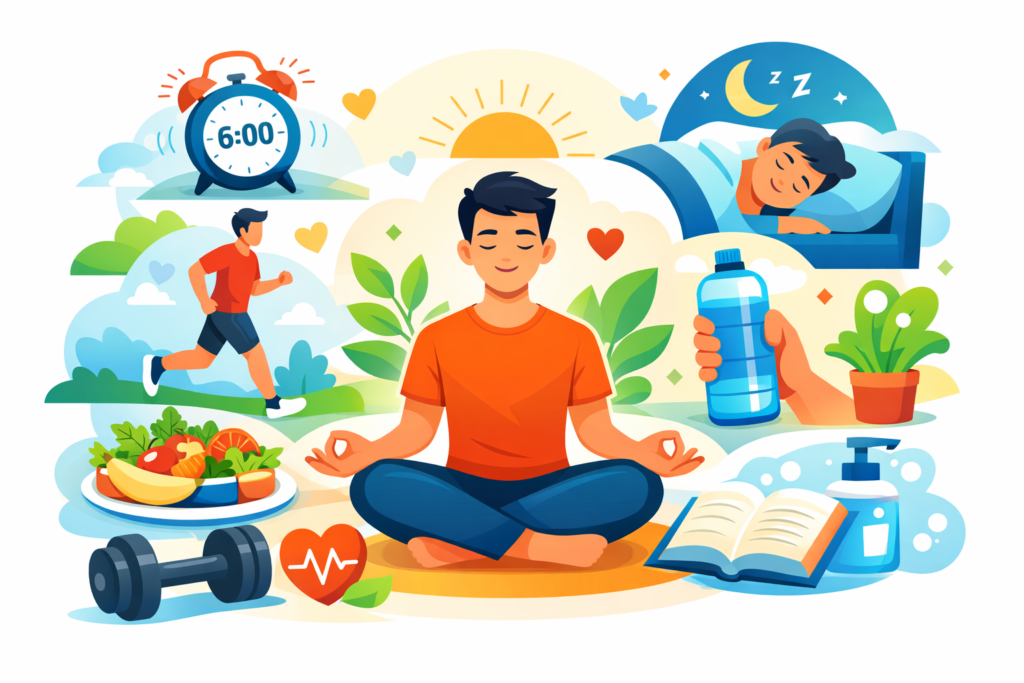
The good thing is that you do not always need complicated routines or expensive supplements to support your hormones. Many simple daily habits can make a real difference.
You eat healthy, try to sleep on time, and still feel tired, stressed, or emotionally drained. Many people experience these symptoms without realizing that hormones could be playing a role.In this guide, we will talk about practical ways to improve hormonal balance naturally through food, sleep, movement, stress control, gut health, hydration, and a better lifestyle.
Medical Disclaimer: This article is for educational and informational purposes only. It is not a substitute for professional medical advice, diagnosis, or treatment. If you have persistent symptoms, a diagnosed hormonal disorder, or concerns about your health, consult a qualified healthcare professional.
🌱 1. Start with a Hormone-Friendly Diet
Food plays one of the biggest roles in hormonal health. The body uses nutrients from food to produce and regulate hormones, so what you eat daily matters a lot.
✔ Include Healthy Fats
Healthy fats support hormone production and keep energy levels steady. You can include foods like:
- Avocado
- Nuts
- Seeds
- Olive oil
- Coconut oil
These fats help the body function smoothly and support natural hormone regulation.
✔ Eat Fiber‑Rich Foods
Fiber supports digestion and gut health, and a healthy gut is closely connected to balanced hormones. Add more:
- Oats
- Fruits
- Vegetables
- Whole grains
✔ Avoid Processed Sugar
Too much sugar can disturb insulin levels and increase cravings. Try to reduce:
- Cold drinks
- Sweets
- Bakery items
- Packaged snacks
✔ Add Protein in Every Meal
Protein keeps you full for longer, supports metabolism, and helps reduce unnecessary cravings. Good options include:
- Eggs
- Paneer
- Lentils
- Chicken
- Fish
When your meals are balanced, your hormones get better support throughout the day.
🌿 2. Manage Stress Before It Manages You
Stress is one of the most common reasons hormones go out of balance. When stress stays high for a long time, cortisol increases and starts affecting sleep, mood, digestion, weight, and other hormones.
✔ Practice Deep Breathing
Even 5 minutes of slow deep breathing can calm the nervous system and help lower stress.
✔ Meditation & Mindfulness
A short daily meditation practice can improve focus, mood, and sleep quality.
✔ Nature Walk
A simple walk outside, especially in fresh air or greenery, can reduce stress and refresh the mind.
✔ Reduce Overthinking
Overthinking can keep the body in stress mode. To feel lighter, try:
- Journaling
- Talking to a friend
- Listening to calm music
When stress goes down, the body gets a better chance to return to balance.
🌞 3. Give Your Body Proper Sleep
Sleep is the time when the body repairs, resets, and balances many hormones. Poor sleep can affect hunger, mood, energy, insulin, and stress hormones.
✔ Maintain a Sleep Schedule
Going to bed and waking up around the same time helps your body clock stay steady.
✔ Avoid Screens Before Bed
Phone and laptop screens can disturb melatonin, the hormone that helps you sleep. Try to keep screens away at least 30 minutes before bed.
✔ Keep Your Room Cool & Dark
A quiet, cool, and dark room can improve sleep quality naturally.
✔ Eat a Light Dinner
A very heavy dinner can disturb digestion and make sleep uncomfortable. A lighter dinner often helps the body rest better.
Good sleep is not a luxury; it is one of the basic needs for hormonal health.
🧘 4. Move Your Body Every Day
You do not need an intense workout routine to support hormones. Regular movement helps improve insulin sensitivity, reduce stress, support metabolism, and boost overall energy.
✔ 30 Minutes Walk
A daily walk is simple, free, and very effective for both body and mind.
✔ Yoga
Yoga combines movement, breathing, and relaxation, which makes it helpful for stress and hormonal balance.
✔ Strength Training
Strength training supports muscle health, metabolism, and healthy hormone levels.
✔ Stretching
Stretching releases stiffness, relaxes the body, and can reduce stress after a long day.
The goal is not perfection. The goal is to move a little every day.
🥗 5. Take Care of Your Gut Health
Your gut has a strong connection with hormones. Poor digestion, bloating, and unhealthy gut bacteria can affect mood, energy, inflammation, and hormone balance.
✔ Eat Probiotics
Probiotic foods support good gut bacteria. You can include:
- Curd
- Buttermilk
- Fermented foods
✔ Avoid Junk Food
Too much junk food can disturb gut bacteria and increase inflammation.
✔ Drink Warm Water
Warm water may help digestion feel lighter, especially in the morning or after meals.
✔ Add Ginger & Turmeric
Ginger and turmeric are commonly used natural foods that support digestion and help manage inflammation.
When your gut feels better, your whole body often feels better too.
🌸 6. Simple Tips for Women’s Hormonal Health
Women may notice hormonal changes through irregular periods, acne, mood swings, PCOS symptoms, thyroid issues, fatigue, or cravings. Small lifestyle changes can support the body gently.
✔ Seed Cycling
Seeds like flax, pumpkin, sunflower, and sesame are often added to the diet to support women’s health.
✔ Iron & Calcium Rich Foods
Foods rich in iron and calcium are important, especially during periods and for overall strength.
✔ Reduce Caffeine
Too much caffeine can increase anxiety, disturb sleep, and affect hormone balance in some people.
✔ Practice Self‑Care
Rest, emotional care, and stress management are not selfish. They are necessary for women’s hormonal health.
💡 Expert Tip
Healthy habits work best when followed consistently.
Instead of changing everything at once, start with one healthy habit every week.
Small changes often lead to long-term results.
💪 7. Simple Tips for Men’s Hormonal Health
Men can also experience hormonal imbalance. Low energy, poor sleep, weight gain, low motivation, mood changes, and reduced strength may be connected to lifestyle and hormone health.
✔ Strength Training
Regular strength training can support muscle health and healthy testosterone levels.
✔ Zinc‑Rich Foods
Zinc is important for male hormonal health. Add foods such as:
- Pumpkin seeds
- Nuts
- Eggs
✔ Reduce Alcohol
Excess alcohol can affect sleep, liver health, and testosterone levels.
✔ Good Sleep
Good sleep is closely connected with healthy testosterone and overall recovery.
🍵 8. Use Herbs Carefully
Some herbs are traditionally used to support stress, energy, and hormonal health. However, herbs are not suitable for everyone, so they should be used carefully.
Research on these herbs is still evolving, and results can vary from person to person.
✔ Ashwagandha
Ashwagandha is often used to support stress management and relaxation.
✔ Shatavari
Shatavari is commonly known for supporting women’s wellness.
✔ Maca Root
Maca root is used by some people for energy and mood support.
✔ Green Tea
Green tea contains antioxidants and may support overall wellness.
If you are pregnant, breastfeeding, taking medicine, or dealing with a health condition, always speak with a doctor before taking any herb or supplement.
💧 9. Stay Hydrated
Water supports digestion, blood circulation, energy, and the transport of nutrients in the body. When you are dehydrated, you may feel tired, irritated, or low on energy.
✔ Drink 7–8 Glasses Daily
Most people feel better when they drink enough water throughout the day.
✔ Add Lemon Water
Lemon water can be a refreshing way to increase water intake.
✔ Coconut Water
Coconut water provides electrolytes and can be a good option after sweating or physical activity.
Hydration may look simple, but it supports almost every function in the body.
🧠 10. Take Care of Your Emotional Health
Hormonal balance is not only about food and exercise. Emotional health also matters. Long-term stress, loneliness, negative surroundings, and poor self-care can affect the body deeply.
✔ Stay Positive
A positive mindset does not mean ignoring problems. It means giving yourself hope, patience, and support while dealing with them.
✔ Social Connection
Talking to loved ones, spending time with family, or being around supportive people can improve mood and reduce stress.
✔ Avoid Negative Environment
If a place, habit, or relationship constantly increases stress, try to create healthy boundaries where possible.
A calmer mind can make it easier for the body to heal and stay balanced.
🔹Frequently Asked Questions
Can hormonal imbalance be treated naturally?
Lifestyle habits such as balanced nutrition, regular exercise, quality sleep, and stress management may support hormone health. However, some hormonal conditions require medical treatment.
What foods help hormonal balance?
Healthy fats, lean protein, whole grains, fruits, vegetables, and fiber-rich foods may support overall hormone health.
How long does it take to improve hormonal balance naturally?
It varies depending on the cause. Some people notice improvements within a few weeks, while others may need several months of consistent healthy habits.
🏁 Conclusion
Hormonal balance does not happen overnight. It improves slowly through small habits repeated consistently—balanced meals, good sleep, daily movement, stress management, hydration, gut care, and emotional support. Start with one or two changes instead of trying to do everything at once. Over time, your energy, mood, skin, digestion, and overall health may begin to feel better naturally.
Did you find this guide helpful? Share it with your family and friends who may be struggling with hormonal health. For more easy-to-understand health and technology guides, keep visiting TechnicalMiki.
Thank you