What is a computer – Understanding a computer for the first time can feel confusing. There are so many parts, so many buttons, and so many technical words. But the truth is simple: a computer is just a smart electronic machine that helps you do tasks faster, easier, and more accurately. Whether you want to study, work, create content, browse the internet, or simply enjoy entertainment, a computer is your best partner.
This complete guide is written specially for new users. By the end of this post, you will understand:
- What a computer is
- How it works
- What parts it has
- What software and hardware mean
- How computers help in daily life
- Types of computers
- How to choose the right computer
- Basic computer skills every beginner should learn
- Safety tips
- And much more
Let’s begin your journey into the world of computers.
⭐ 1. What is a Computer?
A computer is an electronic machine that receives information, processes it, and gives results. It works using electricity and follows instructions given by the user.
In simple words:
A computer is a smart helper that can store information, solve problems, and perform tasks very quickly.
This is the first natural use of your keyword: What is a Computer.
A computer cannot think on its own. It only works when you give it commands through a keyboard, mouse, or touchscreen. It follows instructions step by step and completes tasks in seconds that would take humans hours.
⭐ 2. Why Was the Computer Invented?
Computers were created to solve problems faster. Humans make mistakes, get tired, and cannot store huge amounts of information in their brains. Computers were invented to:
- Reduce human effort
- Increase speed
- Improve accuracy
- Store large data
- Automate tasks
- Make life easier
Today, computers are used in every field — education, business, hospitals, banking, entertainment, engineering, and even in our homes.
⭐ 3. How Does a Computer Work?
A computer works in three simple steps:
1. Input
You give instructions to the computer.
Examples: typing on keyboard, clicking mouse, touching screen.
2. Processing
The computer brain (CPU) processes the information.
3. Output
The computer shows results on the screen, speakers, or printer.
This cycle is called IPO Cycle (Input → Process → Output).
⭐ 4. Main Parts of a Computer
A computer has two main categories:
A. Hardware
The physical parts you can touch.
B. Software
The programs you use inside the computer.
Let’s understand both.
A. Hardware (Physical Parts of a Computer)
Hardware includes all the parts you can see and touch.
1. Monitor
The screen where you see everything — videos, text, images, apps.
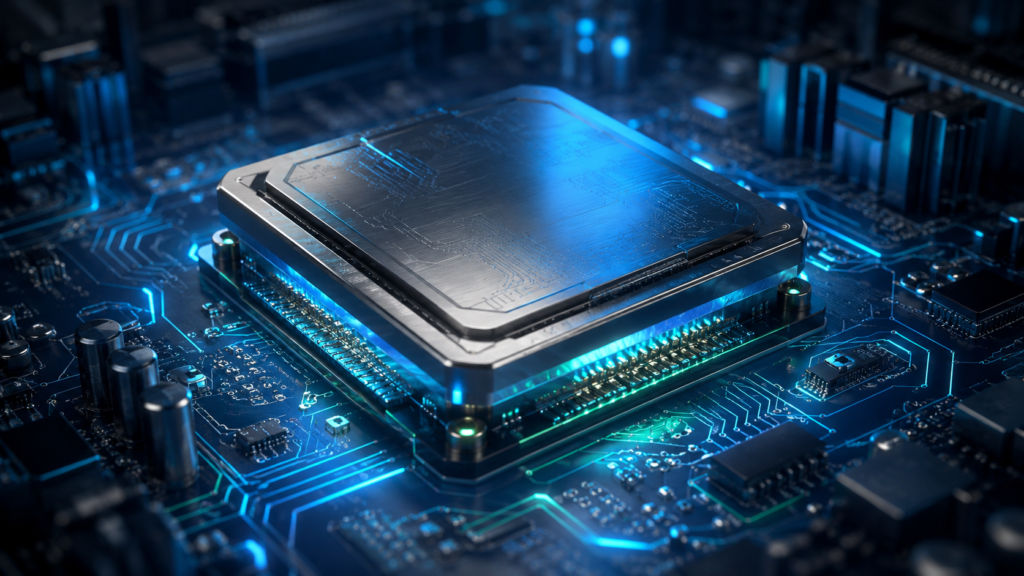
2. CPU (Central Processing Unit)
The brain of the computer.
It processes all tasks.
3. Keyboard
Used for typing letters, numbers, and commands.
4. Mouse
Used for clicking, selecting, dragging, and navigating.
5. Speakers
Used for listening to music, videos, and system sounds.
6. Printer
Used to print documents and photos.
7. Hard Disk / SSD
Stores all your files, apps, and data.
8. RAM (Memory)
Helps the computer run fast and smooth.
9. Graphic Card
Improves video quality, gaming, and editing performance.
10. Webcam
Used for video calls and online meetings.
B. Software (Programs Inside the Computer)
Software is the soul of the computer. Without software, hardware is useless.
1. Operating System (OS)
The main software that controls the computer.
Examples:
- Windows
- macOS
- Linux
2. Application Software
Programs used for specific tasks.
Examples:
- MS Word
- Chrome
- Photoshop
- VLC Player
3. Utility Software
Helps maintain the computer.
Examples:
- Antivirus
- Disk cleanup tools
⭐ 5. Types of Computers
Computers come in many shapes and sizes.
1. Desktop Computer
Used at home, offices, schools.
Powerful and long‑lasting.
2. Laptop
Portable computer you can carry anywhere.
3. Tablet
Touchscreen device, smaller than laptop.
4. Smartphone
A mini computer in your pocket.
5. Server
A powerful computer used by companies to store data.
6. Supercomputer
Extremely powerful, used for scientific research.
⭐ 6. What Can a Computer Do?
Computers can perform thousands of tasks. Here are the most common uses:
1. Education
Online classes, research, assignments, e‑books.
2. Work / Office
Emails, presentations, data entry, meetings.
3. Entertainment
Movies, music, games, social media.
4. Business
Billing, accounting, marketing, customer management.
5. Banking
Online transactions, ATM systems, security.
6. Healthcare
Patient records, diagnosis, medical machines.
7. Creativity
Video editing, graphic design, animation, blogging.
8. Communication
Video calls, chats, emails.
⭐ 7. Basic Computer Skills Every Beginner Should Learn
If you are new to computers, start with these basic skills:
1. How to turn on/off a computer
Learn the power button and shutdown process.
2. Using a mouse
Left click, right click, double click, drag and drop.
3. Typing on keyboard
Practice typing letters, numbers, and shortcuts.
4. Using the internet
Opening browser, searching on Google, downloading files.
5. Creating files and folders
Organizing your data properly.
6. Using MS Office
Word, Excel, PowerPoint basics.
7. Email skills
Sending, receiving, attaching files.
8. Online safety
Avoiding scams, viruses, and unsafe websites.
⭐ 8. Advantages of Computers
Computers offer many benefits:
- Very fast
- Highly accurate
- Can store huge data
- Never gets tired
- Helps in every field
- Saves time
- Improves productivity
- Makes learning easier
⭐ 9. Disadvantages of Computers
Every technology has some drawbacks:
- Can cause eye strain
- Makes people less physically active
- Risk of hacking
- Expensive for some users
- Can be addictive
⭐ 10. What is a Computer in Today’s Modern World?
This is the second natural use of your keyword: What is a Computer.
Today, a computer is not just a machine. It is a life tool.
It connects people, supports businesses, powers industries, and helps students learn faster.
Computers are now used in:
- AI
- Robotics
- Space research
- Online education
- Digital payments
- Smart homes
- Cloud computing
The world runs on computers.
⭐ 11. Difference Between Computer and Mobile
Many beginners ask:
“Why do we need a computer when we already have a smartphone?”
Here is the answer:
| Feature | Computer | Mobile |
| Screen Size | Large | Small |
| Performance | High | Medium |
| Storage | Large | Limited |
| Typing | Easy | Hard |
| Work Tasks | Best | Limited |
| Gaming | Powerful | Basic |
| Battery | No battery issues | Needs charging |
Computers are best for work, study, and heavy tasks.
⭐ 12. Internet and Computer – A Powerful Combination
A computer becomes 10 times more useful when connected to the internet.
You can:
- Search anything
- Watch videos
- Learn new skills
- Do online shopping
- Use social media
- Work from home
- Attend online classes
The internet has changed the world.
⭐ 13. What is a Computer for Students?
This is the third natural use of your keyword: What is a Computer.
For students, a computer is a learning partner.
It helps with:
- Online classes
- Notes
- Projects
- Coding
- Research
- Skill development
Students who use computers learn faster and smarter.
⭐ 14. What is a Computer for Office Workers?
This is the fourth natural use of your keyword: What is a Computer.
For office workers, a computer is a productivity machine.
It helps with:
- Emails
- Meetings
- Reports
- Presentations
- Data management
- Communication
No office can run without computers today.
⭐ 15. What is a Computer for Content Creators?
This is the fifth natural use of your keyword: What is a Computer.
For creators, a computer is a creativity tool.
It helps with:
- Video editing
- Graphic design
- Blogging
- Animation
- Music production
- YouTube content
Creators depend on powerful computers.
⭐ 16. What is a Computer for Beginners?
This is the sixth natural use of your keyword: What is a Computer.
For beginners, a computer is a new world of opportunities.
It opens doors to:
- Learning
- Earning
- Communication
- Creativity
- Growth
Anyone can learn computers with practice.
⭐ 17. How to Choose the Right Computer
When buying a computer, consider:
1. Purpose
Study, office work, gaming, editing?
2. Budget
Low, medium, or high?
3. Type
Laptop or desktop?
4. Specifications
- RAM: 8GB minimum
- Storage: 256GB SSD
- Processor: i3/i5 or Ryzen 3/5
- Graphics: Integrated or dedicated
5. Brand
HP, Dell, Lenovo, Asus, Acer, Apple.
⭐ 18. Computer Safety Tips for New Users
- Use antivirus
- Avoid unknown websites
- Don’t click suspicious links
- Backup your data
- Use strong passwords
- Keep software updated
⭐ 19. Future of Computers
Computers are becoming:
- Faster
- Smaller
- Smarter
- More powerful
Future technologies include:
- Artificial Intelligence
- Quantum Computing
- Virtual Reality
- Metaverse
- Automation
The future will depend heavily on computers.
Conclusion
A computer is not just a machine — it is a powerful tool that helps you learn, work, create, and grow. Whether you are a student, beginner, office worker, or content creator, understanding computers will open new opportunities in your life. This complete guide explained What is a Computer in the simplest and most beginner‑friendly way so you can start your digital journey with confidence.
For more helpful, simple, and high‑quality tech posts, visit technicalmiki.com — your trusted place for learning technology in easy language.