Ravi was just a normal smartphone user. Every morning he unlocked his phone, checked traffic on Google Maps, watched a motivational video on YouTube, and scrolled through Instagram reels. One day he wondered, “How does my phone know exactly what I want to watch?”
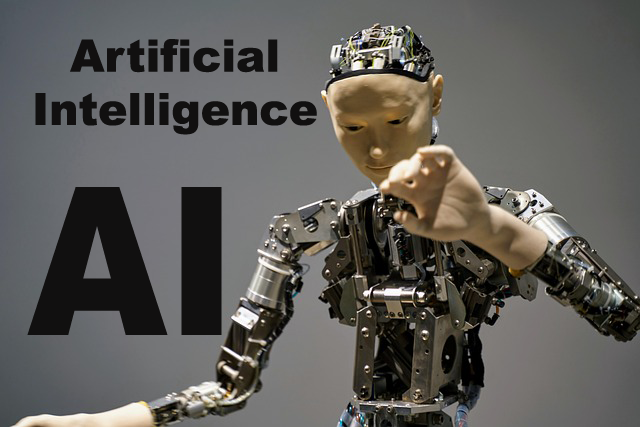
He searched: What is Artificial Intelligence? And that’s when he discovered that AI is the smart technology that helps machines think, learn, and make decisions like humans — but faster and more accurately.
Truth is, we all use AI daily without even realizing it.
⭐ What is Artificial Intelligence?
Artificial Intelligence (AI) means teaching machines to:
- Understand language
- Recognize faces and images
- Learn from data
- Solve problems
- Make predictions
AI doesn’t make machines human — it just makes them smart enough to help humans.
⭐ My Personal Experience With AI (ChatGPT, Copilot, Google AI)
I use AI every single day, and here’s my honest experience:
✔ ChatGPT
Helps me write articles, understand complex topics, fix grammar, generate ideas, and learn anything instantly.
✔ Microsoft Copilot
My daily productivity partner:
- Summarizes long PDFs
- Creates Excel charts
- Writes emails
- Makes presentations
- Helps with blog outlines
Copilot feels like a digital assistant sitting beside me.
✔ Google AI (Gemini)
Best for quick answers and real-time information:
- Instant explanations
- Image understanding
- Travel planning
- Smart suggestions
AI has helped me save time, organize my work better, and focus more on learning instead of repetitive tasks.
A Short and Simple History of AI
AI started in the 1950s when Alan Turing asked:
“Can machines think?”
Back then, this sounded impossible. Today, AI is everywhere — phones, apps, banking, healthcare, shopping, education.
⭐ Types of AI (What is Artificial Intelligence)
1. Narrow AI (The AI We Use Today)
Works on one specific task. Examples:
- Siri
- Alexa
- Google Assistant
- Netflix recommendations
2. General AI
AI that can think like humans. Not created yet.
3. Superintelligent AI
Smarter than humans. Still imaginary.
How Does AI Work?
AI’s brain is made of algorithms — rules and instructions.
AI becomes powerful through:
1. Machine Learning
Machines learn from data. More data = more intelligence.
2. Deep Learning
Neural networks inspired by the human brain. Used in:
- Face unlock
- Voice recognition
- Image detection
⭐ AI in Daily Life
On Your Phone
- Face unlock
- Auto-correct
- Voice search
On Social Media
- Suggested reels
- Spam filtering
- Smart notifications
While Watching Content
- Netflix recommendations
- YouTube suggestions
While Shopping
- Personalized offers
- Chatbots
- Smart product suggestions
Navigation
- Google Maps traffic prediction
Healthcare
- Early disease detection
Banking
- Fraud alerts
- Automated support
AI is quietly helping you everywhere.
⭐ How AI Helps You Daily
AI is like a silent helper:
- Wakes you up with smart alarms
- Reminds you of tasks
- Helps you type faster
- Organizes your photos
- Protects your money
- Helps you learn anything instantly
Quick Example
Meera always felt confused when people talked about AI. She thought AI was only for engineers.
One day she tried using ChatGPT to prepare a presentation. Then she used Copilot to design a poster. Then she used Google AI to learn a topic she struggled with.
Within a week she realized:
- AI is not complicated
- AI is not only for experts
- AI is for everyone — students, workers, creators, shopkeepers
All she needed was curiosity, not coding.
Real-Life Human Examples
A Student
Uses AI for:
- Homework
- Grammar correction
- Study planning
A Shopkeeper
Uses AI for:
- UPI fraud alerts
- Inventory apps
- Customer insights
A Normal Smartphone User
Uses AI for:
- Photo sorting
- Voice commands
- Smart suggestions
Benefits of AI
| Pros | Explanation |
| Saves time | Repetitive tasks done instantly |
| High accuracy | Fewer mistakes |
| Personalized experience | Custom content |
| Saves money | Faster business work |
| Faster discoveries | Medicine, science, climate |
| Better safety | Predicts risks |
⭐ Imagine Your Day With AI in the Future
You wake up and your smart assistant adjusts the room temperature. Your mirror shows your schedule. Your car drives you safely to work. Your child learns through an AI tutor. Your home orders groceries automatically.
This is the future AI is building — smoother, safer, smarter.
⭐ Pros & Cons of AI
| Pros | Cons |
| Saves time | Privacy issues |
| High accuracy | Job loss risk |
| Smart automation | Bias in data |
| Better decisions | Security threats |
| Personalized experience | Lack of transparency |
⭐ Useful AI Tools for Beginners
- ChatGPT
- Google Gemini
- Microsoft Copilot
- Canva AI
- Grammarly AI
- Notion AI
- Midjourney
- Adobe Firefly
⭐ AI in India
AI is growing fast in India:
- UPI fraud detection
- Aadhaar verification
- Digital health records
- Smart classrooms
- Indian startups using AI
India is becoming a strong AI hub.
Future Jobs in AI
- Data Scientist
- AI Engineer
- Prompt Engineer
- Cybersecurity Analyst
- ML Engineer
- AI Trainer
AI will create more jobs than it replaces.
⭐ Common Mistakes People Make About AI
People think:
- AI will take all jobs
- AI is always accurate
- AI knows everything
- AI can think like humans
- AI is dangerous
Reality: AI depends on human control, human data, and human decisions.
Should You Be Afraid of AI?
No. AI is just a tool — like a calculator or smartphone.
AI can:
- Support your work
- Improve safety
- Boost creativity
But it cannot:
- Feel emotions
- Replace relationships
- Think independently
- Make moral decisions
⭐ How You Can Use AI Today
- ChatGPT or Gemini for learning
- Canva AI for design
- Grammarly AI for writing
- Notion AI for planning
- Google Lens for quick info
- AI health apps for fitness
⭐ How AI Will Change Your Future
AI will:
- Make learning personalized
- Help doctors detect diseases early
- Make travel safer
- Reduce boring tasks
- Create new jobs
- Improve communication
- Make businesses smarter
AI will not take your future — it will upgrade it.
FAQs
1. What is AI in simple words? AI means making machines smart enough to do human-like tasks.
2. Is AI safe? Yes, when used with proper rules.
3. Can AI replace humans?
No, AI is expected to create many new career opportunities in fields like AI development, cybersecurity, data science, and automation, while some repetitive jobs may change over time.
4. Where is AI used? Phones, banking, healthcare, shopping, education — everywhere.
⭐ How to Prepare for an AI Future
- Learn basic digital skills
- Stay updated with technology
- Improve creativity
- Protect your privacy
- Explore AI tools
⭐ A Friendly Note for Beginners
If you’re new to AI, don’t feel overwhelmed. You don’t need to be a tech expert. Just stay curious and explore slowly. AI is your helper — not your replacement.
Can AI Make Mistakes?
Yes. AI can sometimes provide incorrect, outdated, or biased information because it learns from data rather than thinking like a human. That’s why it’s always a good idea to verify important information before making decisions based on AI.
Common AI Examples You Already Use Every Day
| AI Tool | How It Helps |
| ChatGPT | Answers questions and helps with writing |
| Google Maps | Suggests the fastest route |
| YouTube | Recommends videos |
| Gmail | Filters spam emails |
| Netflix | Suggests movies and shows |
Conclusion
Artificial Intelligence is becoming a natural part of daily life. It makes things faster, smarter, and more convenient. But like any powerful tool, it must be used responsibly.
Artificial Intelligence is changing the way we learn, work, and solve problems. Whether you’re a student, professional, or business owner, learning how to use AI wisely can save time and improve productivity.
The key is to treat AI as a helpful assistant—not a replacement for human creativity, judgment, or experience. By understanding AI today, you’ll be better prepared for tomorrow’s digital world.
At TechnicalMiki.com, our goal is to make technology simple, practical, and easy to understand for everyone.